


What Is Vitamin C?
Vitamin C, also known as ascorbic acid, is a water-soluble vitamin that plays a crucial role in maintaining overall health. Unlike some animals, humans cannot produce vitamin C naturally, which means it must be obtained through diet or supplementation.
Because it is water-soluble, vitamin C is not stored in large amounts in the body. Any excess is excreted through urine, making consistent daily intake essential to meet the body’s needs.
Why Is Vitamin C Important?
Vitamin C is involved in several key biological functions that are essential for the body to function properly. One of its primary roles is acting as a powerful antioxidant, helping to neutralize harmful free radicals and reduce oxidative stress.
It is also vital for the proper functioning of the immune system. Vitamin C supports the activity of white blood cells, enhances the body’s defense mechanisms, and contributes to faster recovery from infections.
Additionally, vitamin C is necessary for collagen synthesis, a protein that helps maintain the structure of skin, blood vessels, bones, and connective tissues. It also improves the absorption of non-heme iron, which is especially important for individuals following plant-based diets.
Top Health Benefits of Vitamin C
Boosts Immune System
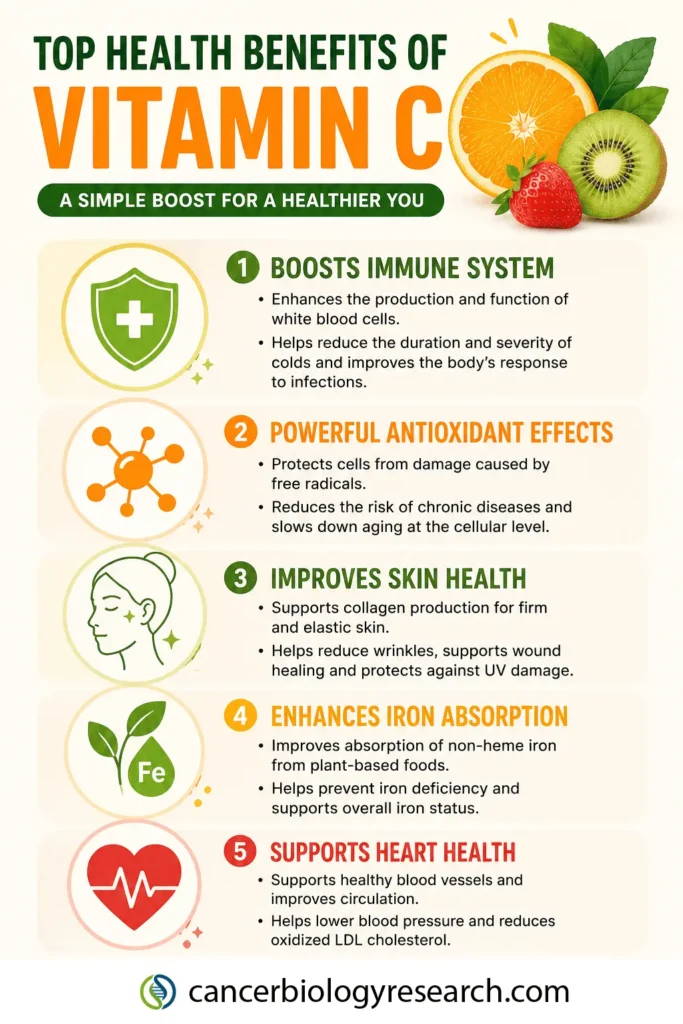
Vitamin C is widely known for its ability to support immune health. It enhances the production and function of white blood cells, which are essential for fighting off infections.
Regular intake of vitamin C may help reduce the duration and severity of common colds and improve the body’s ability to respond to pathogens.
Powerful Antioxidant Effects
As an antioxidant, vitamin C protects cells from damage caused by free radicals. This protective effect plays a role in reducing the risk of chronic diseases such as heart disease and certain cancers.
By limiting oxidative stress, vitamin C also contributes to slowing down the aging process at the cellular level.
Improves Skin Health
Vitamin C plays a key role in collagen production, which is essential for maintaining skin elasticity and firmness. Adequate levels of vitamin C can help reduce the appearance of wrinkles and promote smoother, healthier-looking skin.
It also supports wound healing and helps protect the skin from environmental damage, including ultraviolet radiation.
Enhances Iron Absorption
Vitamin C significantly enhances the absorption of non-heme iron, the type of iron found in plant-based foods. This is particularly beneficial for individuals at risk of iron deficiency, such as vegetarians and vegans.
Consuming vitamin C-rich foods alongside iron-rich meals can help prevent anemia and improve overall iron status.
Supports Heart Health
Vitamin C contributes to cardiovascular health by supporting healthy blood vessels and improving circulation. It may help lower blood pressure and reduce levels of oxidized LDL cholesterol, both of which are risk factors for heart disease.
Best Food Sources of Vitamin C
Obtaining vitamin C from natural food sources is the most effective and recommended approach.
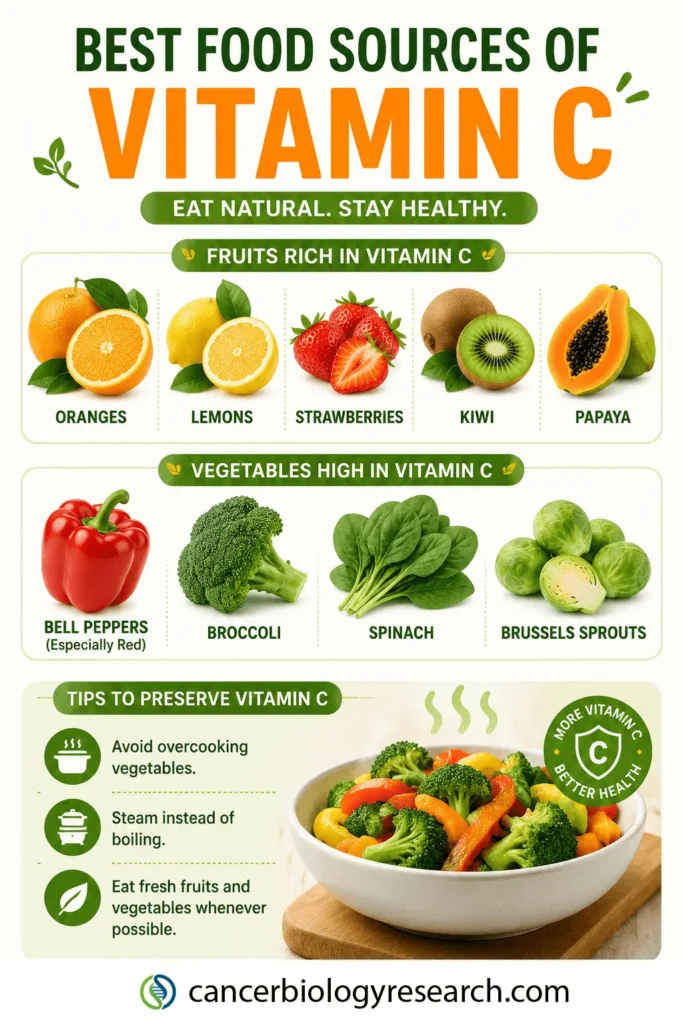
Fruits that are rich in vitamin C include oranges, lemons, strawberries, kiwi, and papaya. These fruits are not only high in vitamin C but also provide additional nutrients and antioxidants.
Vegetables are also excellent sources of vitamin C. Bell peppers, especially red ones, contain very high levels. Other good sources include broccoli, spinach, and Brussels sprouts.
To preserve vitamin C content in foods, it is best to avoid overcooking. Steaming vegetables instead of boiling and consuming fresh produce can help retain more of the vitamin.
Recommended Daily Intake of Vitamin C
The amount of vitamin C needed daily depends on factors such as age, gender, and lifestyle.
Adult men typically require about 90 mg per day, while adult women need around 75 mg per day. Pregnant women require slightly higher amounts, approximately 85 mg per day.
Smokers have increased oxidative stress and should consume an additional 35 mg per day to meet their needs.
Vitamin C Deficiency
Vitamin C deficiency can occur when intake is insufficient over a prolonged period. Although it is relatively rare, it can still affect certain populations.
Common symptoms of deficiency include fatigue, weakness, bleeding gums, easy bruising, and slow wound healing. In severe cases, deficiency can lead to scurvy, a condition characterized by significant connective tissue damage and impaired healing.
Individuals at higher risk of deficiency include smokers, elderly people, and those with poor dietary habits.
Vitamin C Supplements
Vitamin C supplements are widely available and can be useful for individuals who struggle to meet their daily requirements through diet alone.
They come in various forms, including tablets, capsules, powders, and effervescent drinks. Both natural and synthetic forms of vitamin C are generally considered equally effective.
Supplementation may be beneficial for people with limited access to fresh foods, increased nutritional needs, or certain medical conditions.


How Much Vitamin C Is Too Much?
Although vitamin C is generally safe, excessive intake can lead to unwanted side effects.
The upper recommended limit for adults is 2000 mg per day. Consuming amounts above this level may result in digestive issues such as diarrhea, nausea, and abdominal cramps.
In some cases, very high doses of vitamin C may increase the risk of kidney stones, particularly in individuals with a predisposition.
How to Take Vitamin C for Best Absorption
To maximize the benefits of vitamin C, it is best to take it with meals to reduce the risk of stomach discomfort. Dividing the dose throughout the day can also improve absorption and utilization by the body.
Combining vitamin C with iron-rich foods is particularly beneficial, as it enhances iron absorption and helps prevent deficiencies.
Vitamin C Benefits for Women
Vitamin C plays an important role in women’s health by supporting skin integrity and promoting collagen production. It also enhances iron absorption, which is especially important for women of reproductive age who are at higher risk of iron deficiency.
During pregnancy, adequate vitamin C intake supports both maternal health and fetal development.
Vitamin C Benefits for Men
For men, vitamin C contributes to cardiovascular health and supports a strong immune system. It may also help reduce oxidative stress associated with lifestyle factors such as physical exertion and environmental exposures.
Maintaining adequate levels of vitamin C can support overall vitality and long-term health.
FAQs
Vitamin C supports immune function, helps produce collagen, protects cells as an antioxidant, and improves iron absorption.
Yes, daily intake is necessary because the body does not store vitamin C.
Citrus fruits, strawberries, kiwi, bell peppers, and broccoli are among the best sources.
Yes, it helps maintain skin health by supporting collagen production and protecting against damage.
Most adults need between 75 mg and 90 mg per day, depending on gender and lifestyle factors.
Conclusion
Vitamin C is an essential nutrient that supports multiple aspects of health, including immunity, skin integrity, and cardiovascular function. Because the body cannot produce or store it efficiently, regular intake through diet or supplements is necessary.
Focusing on a balanced diet rich in fruits and vegetables is the best way to meet daily vitamin C requirements. When needed, supplements can provide additional support to ensure optimal health and prevent deficiency.


