


Magnesium is an essential mineral involved in hundreds of biochemical reactions in the body, including energy production, nerve function, muscle contraction, and heart rhythm regulation. Despite its importance, many people do not get enough magnesium from their diet, which can contribute to symptoms such as fatigue, muscle cramps, poor sleep, and increased stress levels.
Magnesium glycinate is a highly bioavailable form of magnesium that is bound to the amino acid glycine. This combination enhances absorption and is generally well tolerated, making it a preferred option for individuals looking to correct magnesium deficiency without the digestive discomfort associated with some other forms. It is especially valued for its calming properties and is often used to support sleep, relaxation, and overall nervous system health.
In this article, we will explore what magnesium glycinate is, its key benefits, recommended dosage, potential side effects, and how it compares to other forms of magnesium supplements.
What Is Magnesium Glycinate?
Magnesium glycinate is a form of magnesium that is bound to the amino acid glycine. This type of bonding is known as a chelate, which helps protect magnesium as it passes through the digestive system and improves its absorption in the body.
It is often referred to as magnesium bisglycinate, meaning one magnesium molecule is attached to two glycine molecules. Both terms describe the same supplement form.
Why Glycine Matters
Glycine is not just a carrier; it also has its own biological effects. When combined with magnesium, it contributes to a more calming and well-tolerated supplement.
Key roles of glycine include:
- Supporting relaxation and nervous system balance
- Acting as an inhibitory neurotransmitter
- Promoting better sleep quality
Absorption and Bioavailability
One of the main advantages of magnesium glycinate is its high bioavailability. This means:
- It is efficiently absorbed in the intestines
- It causes less gastrointestinal discomfort compared to other forms
- It is less likely to have a laxative effect
This makes it a suitable option for long-term use.
How It Compares to Other Magnesium Forms
Different magnesium supplements vary in how well they are absorbed and tolerated.
- Magnesium oxide
- High magnesium content but poorly absorbed
- More likely to cause digestive side effects
- Magnesium citrate
- Better absorption than oxide
- Commonly used for constipation due to its laxative effect
- Magnesium glycinate
- High absorption
- Gentle on the stomach
- Preferred for sleep, stress, and muscle support
Magnesium Glycinate Benefits
Magnesium glycinate is widely used for its ability to support multiple body systems while being gentle on digestion. Its combination with glycine enhances both absorption and calming effects, making it particularly useful for neurological and muscular health.
Improves Sleep Quality
Magnesium plays a key role in regulating neurotransmitters involved in sleep.
- Supports melatonin production
- Promotes relaxation of the nervous system
- Helps reduce nighttime awakenings
This makes magnesium glycinate a common choice for individuals with difficulty falling or staying asleep.
Reduces Anxiety and Stress
Magnesium contributes to the regulation of the stress response.
- Supports GABA activity, a calming neurotransmitter
- Helps lower nervous system excitability
- May reduce symptoms of mild anxiety
The presence of glycine further enhances its calming effect.
Supports Muscle Function and Recovery
Magnesium is essential for proper muscle contraction and relaxation.
- Helps prevent muscle cramps and spasms
- Supports recovery after physical activity
- Maintains normal neuromuscular function
It is often used by athletes and physically active individuals.
Promotes Heart Health
Magnesium plays an important role in cardiovascular function.
- Helps regulate heart rhythm
- Supports normal blood pressure levels
- Contributes to electrolyte balance
Adequate magnesium intake is associated with overall cardiovascular stability.
Supports Blood Sugar Regulation
Magnesium is involved in glucose metabolism and insulin function.
- Improves insulin sensitivity
- Supports stable blood sugar levels
- May be beneficial in individuals with metabolic disorders
Gentle on the Digestive System
- Lower risk of diarrhea
- Suitable for long-term supplementation
- Ideal for individuals with sensitive digestion
Magnesium Glycinate for Sleep
How It Supports Sleep
Magnesium contributes to several processes that regulate the sleep cycle:
- Activates the parasympathetic nervous system, helping the body relax
- Regulates neurotransmitters involved in sleep signaling
- Supports the production and release of melatonin
In addition, glycine has its own sleep-promoting properties, which can enhance overall sleep quality.
Why It Is Preferred for Sleep Support
Not all magnesium supplements are equally effective for sleep. Magnesium glycinate stands out because:
- It has a calming effect without causing digestive discomfort
- It is less likely to cause a laxative effect compared to citrate or oxide
When and How to Take It
For sleep support, timing and consistency are important:
- Take it 30 to 60 minutes before bedtime
- It can be taken with or without food
- Start with a moderate dose and adjust if needed
Who May Benefit the Most
Magnesium glycinate may be helpful for individuals who:
- Have difficulty falling asleep
- Experience frequent nighttime awakenings
- Have stress-related sleep disturbances
- Feel restless or tense before bedtime
Magnesium Glycinate Benefits for Women
This type of Magnesium is particularly beneficial for women. It supports several physiological processes that are especially relevant across different stages of a woman’s life, from hormonal balance to bone health and mental well-being.
Supports Hormonal Balance
Magnesium plays a key role in regulating hormones that influence mood, energy, and reproductive health. Adequate magnesium levels may help:
- Reduce symptoms of premenstrual syndrome (PMS), such as mood swings and irritability
- Support estrogen and progesterone balance
- Improve overall hormonal stability
This makes magnesium glycinate a useful supplement for women experiencing hormonal fluctuations.
Helps Reduce Stress and Anxiety
Women are more likely to experience stress-related conditions, and magnesium glycinate can help regulate the nervous system. It:
- Supports GABA activity, promoting relaxation
- Reduces nervous system excitability
- Helps manage mild anxiety and emotional stress
The presence of glycine enhances its calming effects, making it ideal for mental well-being.
Improves Sleep Quality
Sleep disturbances are common, especially during hormonal changes such as menstruation, pregnancy, or menopause. Magnesium glycinate can:
- Promote relaxation before bedtime
- Support melatonin production
- Reduce nighttime awakenings
This contributes to deeper, more restorative sleep.
Supports Bone Health
Women are at a higher risk of developing osteoporosis, particularly after menopause. Magnesium is essential for:
- Calcium absorption and metabolism
- Vitamin D activation
- Maintaining bone mineral density
Regular intake may help reduce the risk of bone loss and fractures over time.
Eases Muscle Cramps and Tension
Magnesium is crucial for muscle function, helping with both contraction and relaxation. For women, it can:
- Reduce menstrual cramps
- Prevent muscle spasms and tension
- Support recovery after physical activity
This is especially helpful for active women or those experiencing frequent muscle discomfort.
Supports Heart Health
Magnesium contributes to cardiovascular function by:
- Regulating blood pressure
- Supporting normal heart rhythm
- Improving circulation
Maintaining adequate levels supports long-term heart health.
May Help with Blood Sugar Control
Magnesium plays a role in glucose metabolism and insulin sensitivity. This is particularly relevant for women with metabolic concerns, as it may:
- Help stabilize blood sugar levels
- Support insulin function
- Reduce the risk of metabolic imbalances
Recommended Dosage of Magnesium Glycinate
The appropriate dosage of magnesium glycinate depends on individual needs, dietary intake, and overall health status. The goal is to meet daily magnesium requirements without exceeding safe limits.
Daily Magnesium Requirements
General recommended daily intake (from diet and supplements combined):
- Adult men: 400–420 mg
- Adult women: 310–320 mg
- Pregnant women: 350–360 mg
These values represent total magnesium intake, not just from supplements.
Typical Supplement Dosage
Magnesium glycinate supplements usually provide a portion of your daily needs rather than the full amount.
- Common supplemental dose: 100–400 mg of elemental magnesium per day
- Lower doses are often used for maintenance
- Higher doses may be used for deficiency under guidance
Always check the label for “elemental magnesium,” not just the total compound weight.
Best Time to Take It
Timing can influence how magnesium glycinate works in the body:
- Evening: preferred for relaxation and sleep support
- After meals: may improve tolerance in sensitive individuals
- Split dosing: can be used for better absorption (morning and evening)
How to Take It Safely
To optimize effectiveness and minimize side effects:
- Start with a lower dose and increase gradually if needed
- Avoid exceeding 350 mg per day from supplements unless advised by a healthcare professional
- Stay consistent with daily intake for best results
Who May Need Adjustments
Certain individuals may require personalized dosing:
- People with magnesium deficiency
- Athletes with higher mineral loss
- Individuals under high stress
Those with kidney disease or taking medications should consult a healthcare professional before use.
Magnesium Glycinate Side Effects
Magnesium glycinate is generally well tolerated and considered one of the safest forms of magnesium supplementation. However, like any supplement, it may cause side effects in some individuals, especially when taken in excessive amounts.
Common Side Effects
Most side effects are mild and uncommon at recommended doses:
- Drowsiness or a calming effect
- Mild digestive discomfort in sensitive individuals
- Soft stools, though less frequent than with other forms
Because of its calming properties, it may increase relaxation more than expected in some people.
Effects of High Doses
Taking too much magnesium glycinate can lead to symptoms of excess magnesium intake:
- Diarrhea
- Nausea
- Abdominal cramping
Very high intakes from supplements may lead to more serious effects, particularly in vulnerable individuals.
Risk of Magnesium Overload
Although rare in healthy individuals, excessive magnesium levels (hypermagnesemia) can occur, especially when kidney function is impaired.
Possible signs include:
- Low blood pressure
- Muscle weakness
- Irregular heartbeat
This risk is mainly associated with high doses or prolonged use without monitoring.
Who Should Be Cautious
Certain groups should use magnesium supplements with caution:
- Individuals with kidney disease
- People taking medications such as diuretics or antibiotics
- Those already consuming high levels of magnesium from other sources
Medical advice is recommended in these cases.
How to Minimize Side Effects
Simple strategies can improve tolerance:
- Start with a low dose and increase gradually
- Take the supplement with food if needed
- Avoid exceeding recommended daily intake
Magnesium Glycinate vs Other Forms
Magnesium supplements come in several forms, each with different absorption rates, uses, and side effect profiles. Choosing the right form depends on your specific health goals.
Magnesium Glycinate vs Magnesium Citrate
Magnesium citrate is commonly used but differs in its effects:
- Magnesium glycinate
- High absorption
- Gentle on the stomach
- Preferred for sleep and relaxation
- Magnesium citrate
- Good absorption
- Has a laxative effect
- Often used for constipation relief
Glycinate is a better option for long-term use when digestive comfort is important.
Magnesium Glycinate vs Magnesium Oxide
Magnesium oxide is widely available but less effective in terms of absorption:
- Magnesium glycinate
- Highly bioavailable
- Better retained by the body
- Magnesium oxide
- Low absorption rate
- More likely to cause gastrointestinal side effects
Oxide may contain more elemental magnesium, but less of it is actually absorbed.
Magnesium Glycinate vs Magnesium Threonate
Magnesium threonate is often marketed for brain health:
- Magnesium glycinate
- Supports relaxation and muscle function
- More cost-effective
- Magnesium threonate
- May cross the blood-brain barrier more efficiently
- Often used for cognitive support
Each serves a different purpose depending on the desired outcome.
Which Form Should You Choose?
The best form depends on your needs:
- For sleep and stress: magnesium glycinate
- For constipation: magnesium citrate
- For general supplementation on a budget: magnesium oxide
- For cognitive support: magnesium threonate
How to Choose the Best Magnesium Glycinate Supplement
Not all magnesium glycinate supplements are created equal. Product quality, formulation, and transparency can significantly affect both safety and effectiveness.
Check the Form on the Label
Start by verifying the exact type of magnesium used:
- Look for “magnesium glycinate” or “magnesium bisglycinate”
- Prefer “fully reacted” forms rather than vague terms like “magnesium complex”
- Avoid products that mix glycinate with poorly absorbed forms like oxide
A clear label ensures you are getting the intended form with better absorption.
Look at Elemental Magnesium Content
The most important number is not the total compound weight, but the amount of usable magnesium.
- Check for “elemental magnesium” per serving
- Typical effective range: 100–400 mg per day
- Avoid products that hide this information
Transparent labeling helps you control your dosage accurately.
Choose High-Quality, Tested Products
Since supplements are not strictly regulated, quality assurance matters.
- Look for third-party testing (USP, NSF, ConsumerLab)
- Choose brands that follow Good Manufacturing Practices (GMP)
- Avoid products with unrealistic health claims
Third-party certification ensures purity, potency, and safety.
Avoid Unnecessary Additives
A clean formula is generally a better choice.
- Minimal ingredients list
- No artificial colors, fillers, or preservatives
- Avoid excessive binders like magnesium stearate when possible
Simple formulations reduce the risk of unwanted reactions.
Consider Your Specific Needs
Different formulations may suit different goals:
- Capsules or tablets: convenient for daily use
- Powders: easier to adjust dosage
- Combination formulas: may include vitamin B6 or D for added benefits
Your choice should align with your health objectives and lifestyle.
Price vs Quality
Lower cost does not always mean better value.
- Compare price per dose, not per bottle
- Ensure you are paying for quality ingredients and proper dosage
- Be cautious of extremely cheap products with unclear labeling
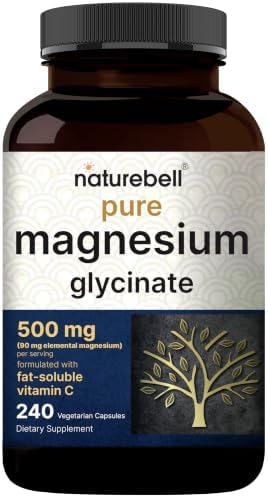
This post may contain affiliate links. As an Amazon Associate, I earn from qualifying purchases at no extra cost to you.


FAQs
Magnesium glycinate is used to support sleep, reduce stress, improve muscle function, and correct magnesium deficiency.
It is often preferred for its high absorption and gentle effect on digestion, especially for sleep and relaxation.
Yes, it can be taken daily at recommended doses for ongoing support.
Yes, it promotes relaxation and supports sleep-regulating processes, making it useful for improving sleep quality.
Side effects are rare but may include mild drowsiness or digestive discomfort at higher doses.
Medical Disclaimer: This content is for informational and educational purposes only and does not constitute medical advice. It is not intended to replace professional medical consultation, diagnosis, or treatment. Always seek the advice of a qualified healthcare provider with any questions regarding a medical condition.
References
- Information for Consumers on Using Dietary Supplements
- DiNicolantonio JJ, O’Keefe JH, Wilson W. Subclinical magnesium deficiency: a principal driver of cardiovascular disease and a public health crisis. Open Heart. 2018 Jan 13;5(1):e000668. doi: 10.1136/openhrt-2017-000668. Erratum in: Open Heart. 2018 Apr 5;5(1):e000668corr1. doi: 10.1136/openhrt-2017-000668corr1.
- Chaudhry AH, Nayab S, Hussain SB, Ali M, Pan Z. Current Understandings on Magnesium Deficiency and Future Outlooks for Sustainable Agriculture. Int J Mol Sci. 2021 Feb 12;22(4):1819. doi: 10.3390/ijms22041819.
- Cheung MM, Dall RD, Shewokis PA, Altasan A, Volpe SL, Amori R, Singh H, Sukumar D. The effect of combined magnesium and vitamin D supplementation on vitamin D status, systemic inflammation, and blood pressure: A randomized double-blinded controlled trial. Nutrition. 2022 Jul-Aug;99-100:111674. doi: 10.1016/j.nut.2022.111674.


