

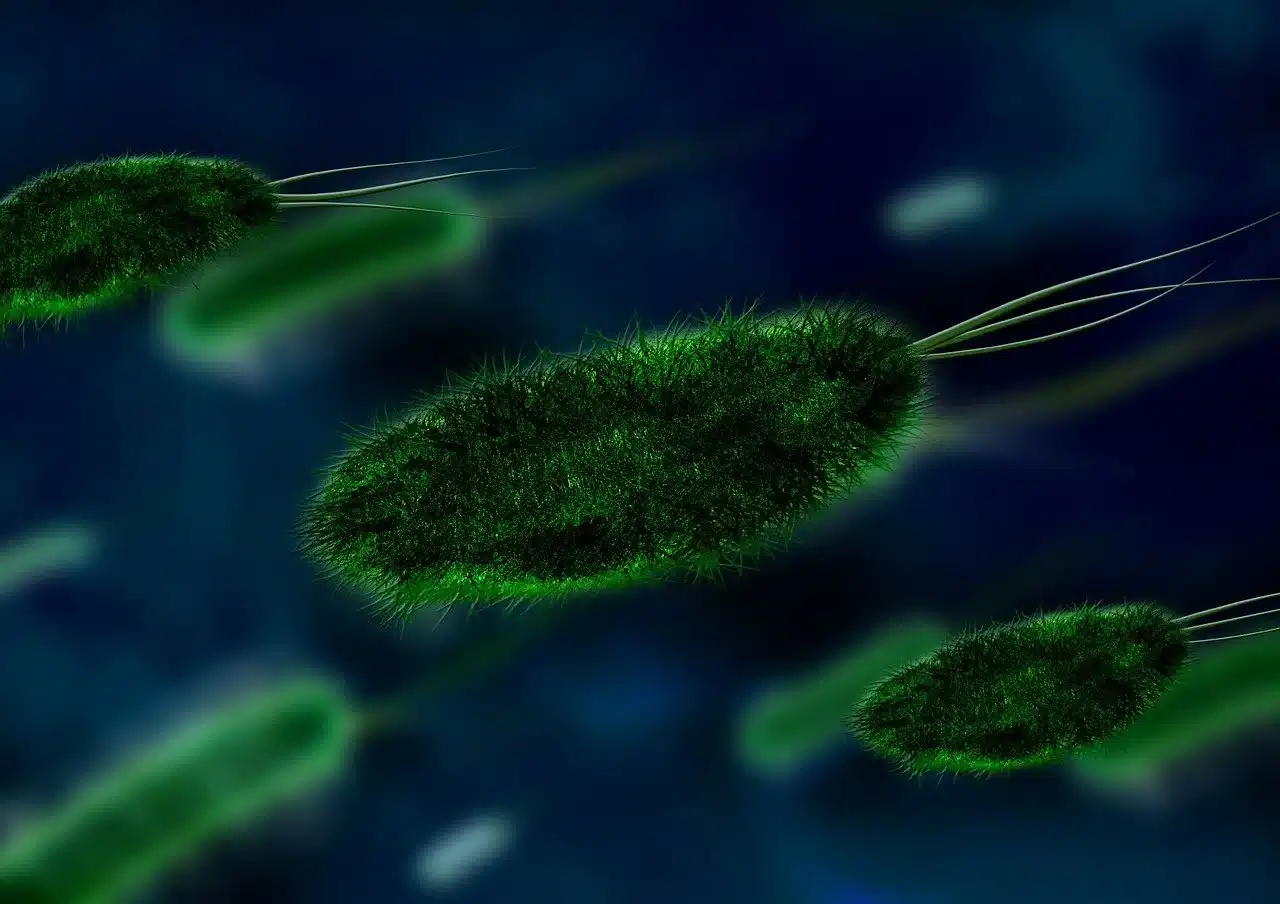
Microbiology is the branch of biology that studies microorganisms — living entities that are too small to be seen with the naked eye. These microscopic organisms include bacteria, viruses, fungi, parasites, and archaea. Despite their tiny size, microorganisms play a major role in shaping life on Earth.
Microbes are found everywhere: in the soil, water, air, and even inside the human body. Many of them are beneficial and essential for digestion, immunity, food production, and environmental balance. Others can cause infectious diseases and pose health risks when not properly controlled.
In this blog post, we will explore what microorganisms are, how they are classified, and why microbiology is important in science, medicine, industry, and modern research.
What Is Microbiology?
Microbiology is the scientific study of microorganisms, which are living organisms that are too small to be seen without a microscope. These organisms include bacteria, viruses, fungi, parasites, and archaea. Although microscopic in size, microbes have a massive impact on human health, ecosystems, and technological development.
Microbiologists study how microorganisms grow, interact with their environment, cause disease, and provide useful benefits. This field helps us understand infections, develop vaccines and antibiotics, improve food safety, and create biotechnological products such as enzymes and medicines.
Modern microbiology combines laboratory techniques, imaging tools, and computational analysis to explore microbial diversity and behavior. From hospitals and research laboratories to farms and industrial facilities, microbiology plays a critical role in solving real-world problems.
Brief History of Microbiology
The field of microbiology began in the 17th century when Antonie van Leeuwenhoek first observed microscopic organisms using handcrafted microscopes. His discoveries revealed a previously invisible world of living cells.
In the 19th century, Louis Pasteur demonstrated that microorganisms are responsible for fermentation and spoilage. He also disproved spontaneous generation and laid the foundation for the germ theory of disease.
Later, Robert Koch established methods to link specific microorganisms to specific diseases, forming the basis of modern medical microbiology. These discoveries transformed medicine, hygiene, and public health.
Branches of Microbiology
Microbiology is a broad field with several specialized branches, each focusing on different applications:
- Medical microbiology – Study of disease-causing microorganisms and infections.
- Environmental microbiology – Study of microbes in soil, water, and ecosystems.
- Industrial microbiology – Use of microbes to produce drugs, enzymes, and bio-products.
- Food microbiology – Microorganisms in food production, preservation, and safety.
- Veterinary microbiology – Microbial diseases in animals.
Each branch contributes to improving health, environmental sustainability, and technological innovation.
What Are Microorganisms?
Microorganisms, also called microbes, are living organisms that are too small to be seen with the naked eye. Most microorganisms are single-celled, but some exist as multicellular or acellular forms. To observe them, scientists use microscopes and specialized laboratory techniques.
Despite their small size, microorganisms are incredibly diverse and abundant. They inhabit almost every environment on Earth, from oceans and soil to extreme habitats such as hot springs, deep-sea vents, and frozen regions. Many microorganisms live in close association with humans, forming what is known as the normal microbiota.
Microorganisms can be beneficial, harmless, or harmful depending on their type and location. Some support essential biological processes, while others cause disease when they invade the body or produce toxins.
General Characteristics of Microorganisms
Most microorganisms share several common features:
- Microscopic size – Invisible to the naked eye.
- Rapid reproduction – Many microbes multiply quickly under favorable conditions.
- High adaptability – They adapt easily to environmental changes.
- Wide distribution – Found in air, water, soil, and living organisms.
- Metabolic diversity – Able to use many energy sources.
These characteristics allow microbes to survive in diverse and sometimes harsh environments.
Where Are Microorganisms Found?
Microorganisms exist in almost every habitat on Earth:
- Natural environments:
- Soil
- Freshwater and oceans
- Air and dust
- Living organisms:
- Skin
- Mouth and gut
- Respiratory tract
- Extreme environments:
- Hot springs
- Salty lakes
- Polar ice
- Deep oceans
This wide distribution highlights the ecological importance of microbes.
Beneficial vs Harmful Microorganisms
Microorganisms play both positive and negative roles in daily life.
Beneficial microorganisms:
- Aid digestion and vitamin production.
- Protect against harmful pathogens.
- Produce food products like yogurt, cheese, and bread.
- Help recycle nutrients in nature.
Harmful microorganisms:
- Cause infectious diseases.
- Produce toxins.
- Spoil food and water.
Understanding this balance is essential for medicine, agriculture, and environmental management.
Classification of Microorganisms
Microorganisms are classified into different groups based on their cellular structure, genetic organization, metabolism, and mode of reproduction. Classification helps scientists identify microbes, understand their biological properties, and predict how they interact with humans and the environment.
At a basic level, microorganisms can be divided into cellular organisms (bacteria, fungi, parasites, archaea) and acellular entities (viruses and prions). Each group has unique characteristics and biological roles.
Major Groups of Microorganisms
Below is an overview of the main categories of microorganisms:
- Bacteria
Single-celled prokaryotic organisms found in almost every environment. Some are beneficial, while others cause disease. Examples include Escherichia coli and Staphylococcus aureus. - Viruses
Acellular particles that require a host cell to replicate. They infect animals, plants, and bacteria. Examples include influenza virus and coronavirus. - Fungi
Eukaryotic organisms that include yeasts and molds. Some fungi are useful in food and medicine, while others cause infections. - Parasites
Eukaryotic organisms that live in or on a host organism. This group includes protozoa and helminths. - Archaea
Prokaryotic organisms distinct from bacteria. Many live in extreme environments such as high temperature or high salt conditions.
Each group will be explored in detail in separate articles.
Cellular Organization: Prokaryotes vs Eukaryotes
Microorganisms can also be classified based on their cellular structure:
Prokaryotes
- No true nucleus
- No membrane-bound organelles
- Includes bacteria and archaea
- Simple cellular organization
Eukaryotes
- Have a nucleus
- Contain membrane-bound organelles
- Includes fungi and parasites
- More complex cellular structure
This distinction is important for understanding microbial function, evolution, and treatment strategies.
Acellular Entities: Viruses and Prions
Some infectious agents are not true cells.
- Viruses consist of genetic material enclosed in a protein coat and sometimes a lipid envelope. They depend entirely on host cells for replication.
- Prions are infectious proteins that lack nucleic acids. They cause rare neurodegenerative diseases.
Although acellular, these entities are studied within microbiology because of their medical and biological significance.
Importance of Microbiology in Science and Society
Microbiology plays a critical role in understanding life, improving human health, protecting the environment, and advancing technology. Microorganisms influence nearly every biological system, even though they are invisible to the naked eye.
From medicine and agriculture to industry and environmental protection, microbiology provides solutions to global challenges.
Microorganisms in Human Health
Microorganisms directly affect human health in both positive and negative ways.
Positive roles:
- Support digestion and nutrient absorption.
- Produce vitamins such as vitamin K and B vitamins.
- Protect against harmful pathogens by competing for space and nutrients.
- Help train and regulate the immune system.
Negative roles:
- Cause infectious diseases.
- Produce toxins.
- Contribute to food contamination and waterborne illnesses.
Microbiology helps identify pathogens, develop vaccines, improve diagnostics, and control outbreaks.
Microorganisms in Industry and Biotechnology
Microbes are widely used in industrial processes because of their efficiency and versatility.
Common applications include:
- Food production: yogurt, cheese, bread, vinegar.
- Pharmaceuticals: antibiotics, vaccines, insulin production.
- Biotechnology: enzymes, biofuels, biodegradable materials.
- Agriculture: biofertilizers and pest control.
These applications support sustainable and cost-effective production systems.
Microorganisms in the Environment
Microorganisms maintain ecological balance and support life on Earth.
They are involved in:
- Decomposition of organic matter.
- Recycling of carbon, nitrogen, and sulfur.
- Soil fertility and plant growth.
- Water purification and waste treatment.
Without microbes, ecosystems would collapse due to the accumulation of waste and nutrient imbalance.
Microbiology and Cancer Research
Microbiology also contributes to cancer research and prevention.
Key areas include:
- Oncogenic microorganisms: Certain viruses and bacteria are linked to cancer development.
- Microbiome influence: Gut microbes affect inflammation, immunity, and response to cancer therapy.
- Biotechnology tools: Microbial systems are used to produce vaccines and therapeutic proteins.
Understanding microbial interactions helps improve cancer prevention and treatment strategies.
Conclusion
Microbiology reveals the hidden world of microorganisms that shape health, ecosystems, and technology. By understanding how microbes are classified, how they function, and why they matter, we gain valuable tools to improve medicine, industry, and environmental sustainability. This foundation prepares readers to explore more specialized topics in microbiology and related life sciences.


[…] process that governs how genes are expressed or repressed in an organism. In the context of microbiology, understanding gene regulation is essential to unravel the intricate mechanisms that control […]