

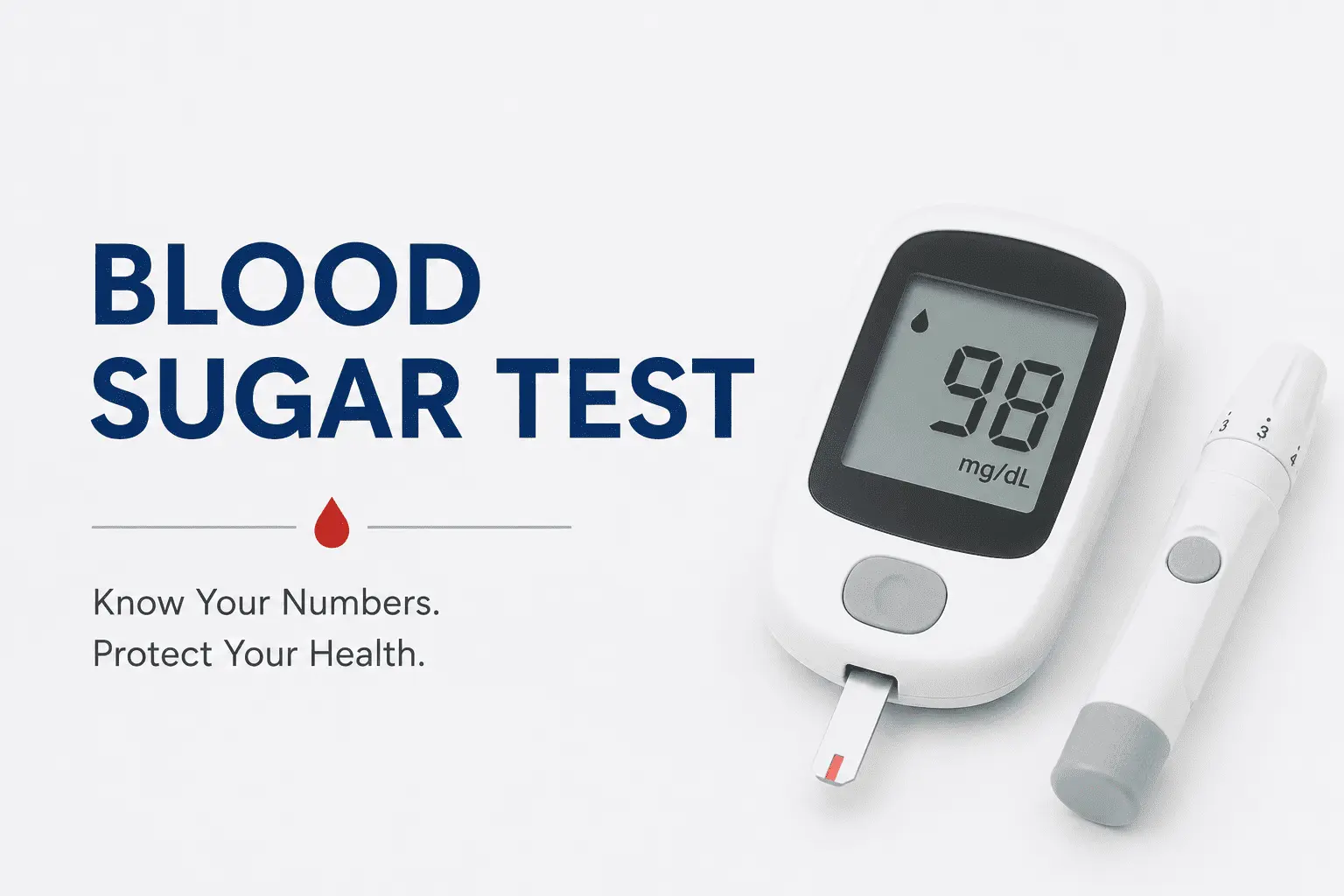
A blood sugar test is a simple and widely used way to measure the amount of glucose in your blood. Glucose is the body’s main source of energy, but having too much or too little glucose in the bloodstream can cause health problems.
Blood sugar testing plays an important role in detecting and monitoring conditions such as prediabetes and diabetes. Depending on the type of test, it can show your blood glucose level at a particular moment or help determine how your body responds to glucose over time.
Some blood sugar tests are performed at a laboratory, while others can be done at home using a blood glucose meter. The appropriate test depends on why you are being tested, your symptoms, medical history, and whether you have already been diagnosed with diabetes.
What Is a Blood Sugar Test?
A blood sugar test, also called a blood glucose test, measures the concentration of glucose in your bloodstream.
Glucose comes primarily from the carbohydrates in the foods and drinks you consume. After digestion, glucose enters the bloodstream and is transported to cells throughout the body, where it can be used for energy.
The hormone insulin, produced by the pancreas, helps glucose move from the bloodstream into cells. When the body does not produce enough insulin or does not respond properly to insulin, glucose can build up in the blood. This condition is known as hyperglycemia, or high blood sugar.
Blood sugar testing can help identify abnormal glucose levels. It can also help people with diabetes understand how factors such as food, physical activity, medications, illness, and stress affect their blood glucose.
Unlike the HbA1c test, which provides an estimate of average blood glucose over the preceding two to three months, many blood sugar tests provide information about glucose at a specific time.
Why Is a Blood Sugar Test Important?
Blood sugar testing is particularly important because high blood glucose can develop gradually and may not always cause noticeable symptoms.
A blood sugar test may be used to:
- Screen for prediabetes and diabetes
- Help diagnose diabetes
- Monitor blood glucose in people with diabetes
- Evaluate symptoms associated with high or low blood sugar
- Check glucose during pregnancy
- Assess how blood glucose responds to food or treatment
- Help guide diabetes management
Early identification of abnormal blood glucose can allow appropriate follow-up and treatment.
For people who already have diabetes, blood glucose testing can provide useful information about day-to-day changes that may not be visible from an HbA1c result alone.
Types of Blood Sugar Tests
There are several different ways to measure blood glucose. The test selected depends on the purpose of testing.
Fasting Blood Sugar Test
A fasting blood sugar test measures blood glucose after you have not eaten for a specified period, usually overnight.
Because food can temporarily increase blood glucose, fasting allows healthcare professionals to evaluate glucose levels under standardized conditions.
A fasting glucose test is commonly used when screening for or evaluating diabetes and prediabetes.
If your healthcare professional asks you to fast before the test, you should follow their instructions carefully. In many cases, fasting means avoiding food and caloric drinks for the required period while plain water is permitted.
Random Blood Sugar Test
A random blood sugar test measures blood glucose at any time of day, regardless of when you last ate.
This type of test can be useful when a person has symptoms that may be associated with high blood sugar. It can also be used when fasting is not practical or when healthcare professionals need an immediate measurement.
Because food intake and other factors can affect glucose levels, the timing of the test is important when interpreting the result.
Oral Glucose Tolerance Test
The oral glucose tolerance test (OGTT) evaluates how the body processes a measured amount of glucose.
After an initial blood sample, the person drinks a glucose-containing solution. Additional blood samples are then collected at specific intervals.
The OGTT can be used in certain situations to evaluate glucose regulation and is also an important test for diagnosing gestational diabetes during pregnancy.
Because the test involves fasting and timed blood samples, preparation and timing are important.
Post-Meal Blood Sugar Test
A post-meal blood sugar test measures glucose after eating.
The exact timing can vary depending on the purpose of testing and the instructions provided by a healthcare professional. Measuring glucose after a meal can provide information about how the body handles the rise in blood sugar that occurs after eating.
For people with diabetes, post-meal glucose measurements can sometimes help identify patterns that are not apparent from fasting measurements.
Home Blood Sugar Testing
People with diabetes may use a blood glucose meter to check their blood sugar at home.
A typical meter requires a small drop of blood, usually obtained by gently pricking a fingertip with a lancing device. The blood is placed on a test strip, which is inserted into the meter.
Home testing can provide immediate information and may be recommended at particular times, such as before meals, after meals, at bedtime, or when symptoms of low or high blood sugar occur.
The testing schedule depends on the individual’s diabetes type, treatment, medications, and recommendations from their healthcare team.
Continuous Glucose Monitoring
A continuous glucose monitor (CGM) measures glucose levels regularly using a small sensor placed under the skin.
Unlike a traditional blood glucose meter, which provides individual readings, a CGM can provide repeated glucose measurements throughout the day and night.
CGM systems can help reveal patterns, including glucose rises after meals or decreases during sleep or physical activity.
However, CGM measurements and traditional blood glucose measurements are not identical, and users should follow the instructions provided for their particular device.
Blood Sugar Test Normal Levels and Results
Understanding blood sugar test results requires knowing which type of test was performed.
For fasting blood glucose, commonly used diagnostic categories for nonpregnant adults include:
- Below 100 mg/dL (5.6 mmol/L): generally considered normal
- 100–125 mg/dL (5.6–6.9 mmol/L): generally within the prediabetes range
- 126 mg/dL (7.0 mmol/L) or higher: within the diabetes range when confirmed according to appropriate diagnostic criteria
These values are primarily used for diagnosis and should not be confused with individualized blood glucose targets for people who already have diabetes.
For a random blood glucose measurement, interpretation depends on the actual glucose value, symptoms, and other clinical information.
A single blood sugar result should not automatically be interpreted as a diagnosis. Depending on the circumstances, healthcare professionals may repeat the test or use another diagnostic test to confirm the result.
What Is a Normal Blood Sugar Level?
There is no single “normal blood sugar level” that applies to every situation.
Blood glucose naturally changes throughout the day. It can rise after eating and decrease during periods without food or after physical activity.
For this reason, the meaning of a blood sugar result depends on factors such as:
- Whether you were fasting
- When you last ate
- The type of test performed
- Whether you have diabetes
- Medications you are taking
- Physical activity
- Illness or infection
- Pregnancy
- Individual treatment goals
People without diabetes, a fasting blood glucose below 100 mg/dL is generally considered normal.
For people with diabetes, however, healthcare professionals often establish individualized glucose targets. These targets may differ from the diagnostic thresholds used to identify diabetes.
What Is a Prediabetes Blood Sugar Level?
Prediabetes means that blood glucose is higher than normal but not yet within the range used to diagnose diabetes.
For fasting blood glucose, 100–125 mg/dL (5.6–6.9 mmol/L) is generally considered the prediabetes range.
Prediabetes does not mean that diabetes is inevitable. However, it indicates an increased risk of developing type 2 diabetes and may provide an opportunity for early intervention.
Depending on the individual’s situation, healthcare professionals may recommend changes involving diet, physical activity, weight management when appropriate, and regular follow-up testing.
An HbA1c test or oral glucose tolerance test may also be used to evaluate glucose levels, depending on the clinical situation.
What Blood Sugar Level Indicates Diabetes?
A fasting blood glucose level of 126 mg/dL (7.0 mmol/L) or higher is within the diabetes range when confirmed according to appropriate diagnostic guidelines.
Other diagnostic tests may use different thresholds. For example, an HbA1c of 6.5% or higher is also within the diabetes range, while an oral glucose tolerance test uses a specific glucose threshold measured two hours after the glucose drink.
Diagnosis should therefore be based on the appropriate testing method rather than comparing numbers from different tests as though they were interchangeable.
If a blood sugar test produces an abnormal result, a healthcare professional can determine whether additional testing is necessary.
Blood Sugar Test Results in mg/dL and mmol/L
Blood glucose can be reported using different measurement units.
In many countries, glucose is reported in mg/dL (milligrams per deciliter). Other countries commonly use mmol/L (millimoles per liter).
For example:
- 70 mg/dL ≈ 3.9 mmol/L
- 100 mg/dL ≈ 5.6 mmol/L
- 126 mg/dL ≈ 7.0 mmol/L
- 200 mg/dL ≈ 11.1 mmol/L
When reading a blood sugar test result, make sure you know which unit is being used.
How Is a Blood Sugar Test Performed?
The procedure depends on the type of blood sugar test.
For a laboratory test, a healthcare professional may collect blood from a vein in your arm. The sample is then sent to a laboratory for analysis.
For home blood glucose testing, a small blood sample is usually obtained from the fingertip.
Before performing a home test, wash and dry your hands. Follow the instructions for your glucose meter and test strips carefully. Using contaminated fingers, expired test strips, or an incorrect testing technique can affect the reading.
If you repeatedly receive results that seem inconsistent with your symptoms or expected values, discuss the situation with your healthcare professional.
Does a Blood Sugar Test Require Fasting?
Not every blood sugar test requires fasting.
A fasting blood sugar test specifically requires you to avoid eating for the period instructed by your healthcare professional.
A random blood sugar test does not require fasting, and home glucose monitoring is generally performed according to a person’s individualized testing schedule.
If you are scheduled for several blood tests at once, your healthcare provider may give you specific fasting instructions. Always follow those instructions rather than assuming that fasting is or is not required.
What Can Affect Blood Sugar Test Results?
Blood glucose levels can change for many reasons.
Food and beverages are among the most obvious influences, but other factors can also affect glucose levels.
These include:
- Physical activity
- Stress
- Illness or infection
- Sleep patterns
- Medications
- Alcohol consumption
- Hormonal changes
- Meal composition and timing
- Dehydration
For people using home glucose meters, testing technique can also influence results.
For example, not washing your hands before testing may leave traces of food or other substances on the fingers and potentially affect the reading.
This is why a single blood sugar measurement should always be interpreted in context.
When Should You Get a Blood Sugar Test?
A healthcare professional may recommend a blood sugar test if you have risk factors or symptoms associated with diabetes.
Possible symptoms of high blood sugar can include:
- Increased thirst
- Frequent urination
- Unexplained weight loss
- Increased hunger
- Fatigue
- Blurred vision
Some people with elevated blood glucose may have few or no noticeable symptoms, which is one reason screening can be important for people at increased risk.
Testing may also be recommended for people with a family history of diabetes, certain metabolic risk factors, or previous abnormal glucose results.
The appropriate timing and frequency of testing depend on the individual’s circumstances.
Blood Sugar Testing During Pregnancy
Blood glucose testing is particularly important during pregnancy because some women develop gestational diabetes.
Gestational diabetes occurs when blood glucose becomes elevated during pregnancy. It may not cause obvious symptoms, so screening is commonly performed during pregnancy.
The oral glucose tolerance test is frequently used to evaluate gestational diabetes, although testing approaches can vary depending on the healthcare system and clinical guidelines.
Managing blood glucose during pregnancy is important for the health of both the pregnant person and the developing baby.
Anyone who is pregnant should follow the testing recommendations provided by their healthcare professional.
Blood Sugar Testing for People With Diabetes
For people diagnosed with diabetes, blood glucose testing can be an important part of daily management.
Depending on the type of diabetes and treatment plan, a person may be asked to check blood sugar at different times.
For example, testing may be recommended:
- Before meals
- After meals
- Before or after physical activity
- At bedtime
- When experiencing symptoms of low blood sugar
- When experiencing symptoms of high blood sugar
- During illness
- When diabetes medication is changed
Not everyone with diabetes needs to test their blood glucose in the same way or at the same frequency.
Some people may use traditional blood glucose meters, while others may use continuous glucose monitoring systems.
Blood Sugar Test vs. HbA1c Test
The blood sugar test and HbA1c test provide different types of information.
A blood glucose test generally shows the glucose concentration at a specific point in time. This makes it useful for understanding immediate changes in blood sugar.
The HbA1c test measures glycated hemoglobin and provides an estimate of average glucose exposure over approximately the previous two to three months.
For example, someone may have a normal blood glucose reading at one particular moment but still have an elevated HbA1c if their glucose levels have frequently been high.
Conversely, a person may have a temporary increase in blood glucose without having persistently elevated average glucose.
For this reason, the two tests can complement each other.
What Should You Do If Your Blood Sugar Is High?
If you receive a high blood sugar test result, avoid drawing conclusions from a single number without understanding the context.
The appropriate response depends on whether the test was fasting, random, post-meal, or performed as part of a diagnostic test.
If you have symptoms of diabetes or repeatedly receive high readings, contact a healthcare professional. They may recommend additional testing to determine whether the results are related to prediabetes, diabetes, medication effects, illness, or another factor.
If you already have diabetes, follow the glucose-management plan provided by your healthcare team.
Do not make major changes to prescribed medications without professional guidance.
What Should You Do If Blood Sugar Is Too Low?
Blood glucose can also become too low, particularly in some people taking insulin or certain diabetes medications.
Low blood sugar, known as hypoglycemia, can cause symptoms such as shakiness, sweating, hunger, dizziness, confusion, weakness, or difficulty concentrating.
People who have diabetes should understand how their healthcare team recommends responding to low blood glucose.
Severe hypoglycemia can be a medical emergency, particularly if a person becomes unconscious, has a seizure, or cannot safely consume carbohydrates.
If you experience repeated episodes of low blood sugar, discuss them with your healthcare professional so the underlying cause and treatment plan can be evaluated.
How Can You Keep Blood Sugar Levels Healthy?
Maintaining healthy blood glucose levels involves more than simply taking a blood sugar test.
For many people, healthy lifestyle habits can support good glucose regulation. These may include eating a balanced diet, engaging in regular physical activity, maintaining a healthy weight when appropriate, getting adequate sleep, and following medical recommendations.
For people with diabetes, medication may also be necessary.
The goal is not necessarily to keep blood glucose at one identical number throughout the day. Blood sugar naturally changes. Instead, the aim is to maintain glucose levels within an appropriate range for the individual and reduce the risk of long-term complications.
Frequently Asked Questions About Blood Sugar Tests
What is a blood sugar test?
A blood sugar test measures the amount of glucose in your blood. It can be used to screen for or diagnose diabetes and prediabetes or to monitor blood glucose in people with diabetes.
What is a normal fasting blood sugar level?
For many nonpregnant adults, a fasting blood glucose level below 100 mg/dL (5.6 mmol/L) is generally considered normal.
Do you have to fast for a blood sugar test?
It depends on the type of test. A fasting blood sugar test requires fasting, while random blood glucose testing does not. Follow the instructions provided by your healthcare professional.
Can I test my blood sugar at home?
Yes. People who need to monitor their glucose may use a blood glucose meter or, in some cases, a continuous glucose monitoring system.
Is a blood sugar test the same as an HbA1c test?
No. A blood glucose test generally measures glucose at a particular moment, while an HbA1c test provides an estimate of average glucose exposure over approximately two to three months.
What blood sugar level is considered diabetes?
A fasting blood glucose of 126 mg/dL (7.0 mmol/L) or higher is within the diabetes range when confirmed according to appropriate diagnostic criteria. Other glucose tests use different diagnostic thresholds.
Can stress increase blood sugar?
Yes. Stress can affect hormones that influence blood glucose, potentially causing blood sugar to rise. Illness, sleep disruption, medications, and other factors can also affect glucose levels.
How often should I have a blood sugar test?
The appropriate frequency depends on your age, risk factors, medical history, previous results, and whether you have diabetes. A healthcare professional can recommend an appropriate testing schedule.
Medical Disclaimer: This content is for informational and educational purposes only and does not constitute medical advice. It is not intended to replace professional medical consultation, diagnosis, or treatment. Always seek the advice of a qualified healthcare provider with any questions regarding a medical condition.


