

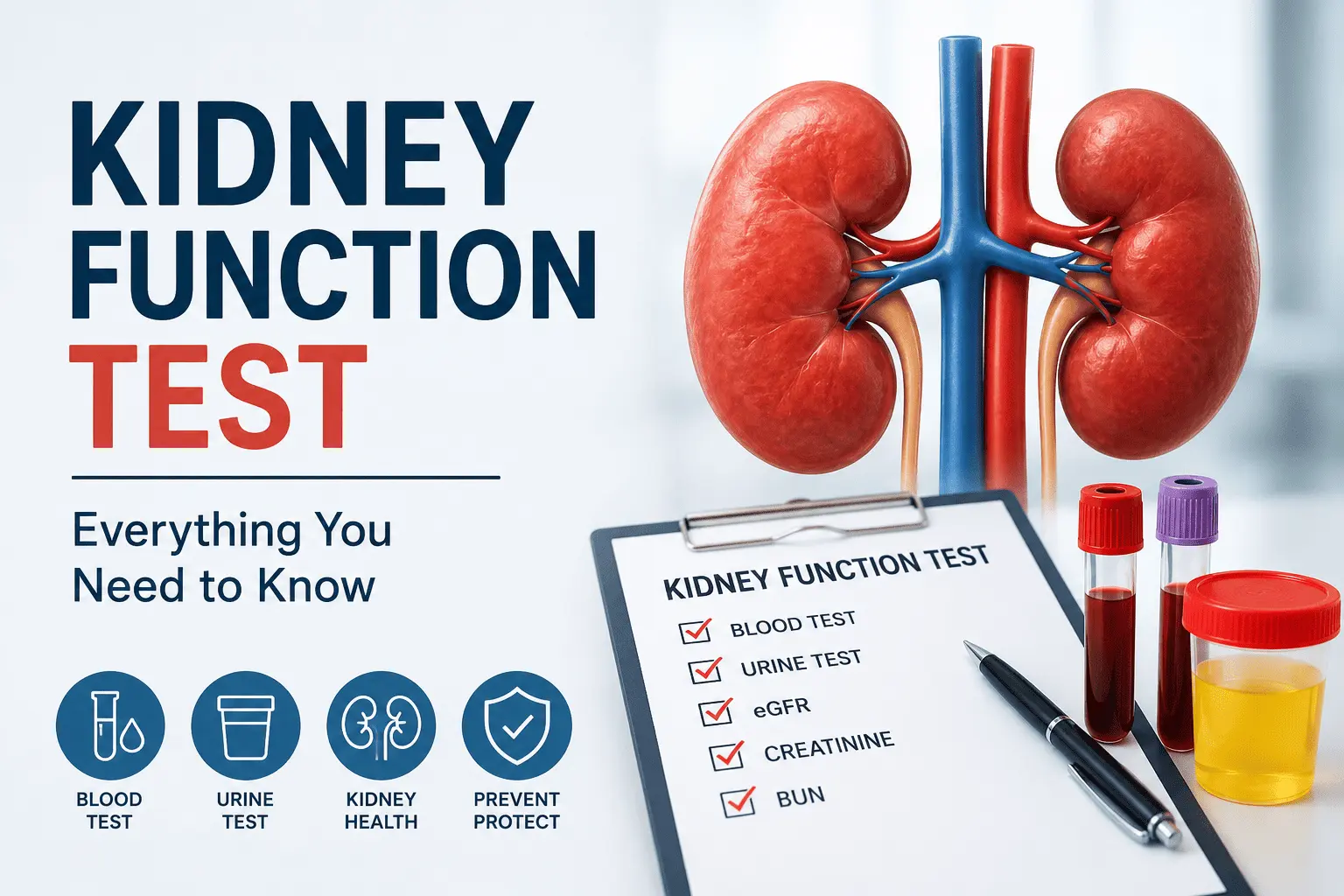
A kidney function test is an essential diagnostic tool used to evaluate how well your kidneys are working. These tests help detect early signs of kidney disease, monitor existing conditions, and guide treatment decisions. Since the kidneys play a vital role in filtering waste, balancing fluids, and maintaining electrolyte levels, even minor dysfunction can have serious health consequences.
In this comprehensive guide, we will explore what kidney function tests are, the different types available, how they are performed, and how to interpret the results.
What Is a Kidney Function Test?
A kidney function test refers to a group of laboratory tests designed to assess the efficiency of your kidneys. These tests measure various substances in the blood and urine to determine how effectively the kidneys are filtering waste and maintaining internal balance.
Why Are Kidney Function Tests Important?
Kidneys are responsible for:
- Removing waste products from the blood
- Regulating fluid balance
- Maintaining electrolyte levels (sodium, potassium, calcium)
- Producing hormones that regulate blood pressure and red blood cell production
When kidney function declines, harmful substances can accumulate in the body, leading to serious complications such as hypertension, anemia, and metabolic imbalances.
Who Should Get Tested?
Kidney function tests are recommended for:
- Individuals with diabetes or high blood pressure
- People with a family history of kidney disease
- Patients experiencing symptoms such as fatigue, swelling, or changes in urination
- Individuals undergoing routine health checkups
Early detection is crucial because kidney disease often develops silently without noticeable symptoms in its early stages.
Types of Kidney Function Tests
Kidney function is evaluated through a combination of blood tests, urine tests, and sometimes imaging studies.
1. Blood Tests
Serum Creatinine
Creatinine is a waste product generated from muscle metabolism. Healthy kidneys filter creatinine out of the blood efficiently. Elevated levels may indicate impaired kidney function.
Blood Urea Nitrogen (BUN)
Urea nitrogen is produced when the body breaks down proteins. High BUN levels can suggest reduced kidney function, although they may also be influenced by diet and hydration status.
Estimated Glomerular Filtration Rate (eGFR)
The eGFR is one of the most important indicators of kidney function. It estimates how much blood the kidneys filter per minute. Lower eGFR values indicate decreased kidney function and may help classify the stage of kidney disease.
2. Urine Tests
Urinalysis
This test “Urinalysis” examines the physical and chemical properties of urine. It can detect abnormalities such as protein, blood, or glucose in the urine.
Urine Albumin-to-Creatinine Ratio (ACR)
The ACR measures the amount of albumin (a type of protein) in the urine. Elevated levels may indicate early kidney damage, especially in people with diabetes.
24-Hour Urine Collection
In some cases, a 24-hour urine test is required to measure the total amount of waste products excreted over a full day.
3. Imaging and Additional Tests
Although not always necessary, imaging techniques such as ultrasound or CT scans may be used to visualize kidney structure and detect abnormalities like stones, cysts, or tumors.
In certain cases, a kidney biopsy may be performed to examine kidney tissue under a microscope.
Kidney Function Test Procedure: What to Expect
Understanding the procedure can help reduce anxiety and ensure accurate results.
Preparation Before the Test
Most kidney function tests require minimal preparation. However:
- You may be asked to fast for several hours before a blood test
- Avoid certain medications that could affect results (only under medical advice)
- Stay well hydrated unless instructed otherwise
Always follow your healthcare provider’s instructions carefully.
Sample Collection
Blood Test Procedure
A healthcare professional will draw a small sample of blood from a vein, usually in your arm. The procedure takes only a few minutes and may cause slight discomfort.
Urine Sample Collection
For a routine urine test, you will provide a midstream urine sample in a sterile container. For a 24-hour collection, you will collect all urine produced over a full day.
During and After the Test
Kidney function tests are generally safe and non-invasive. After a blood test, you may experience minor bruising at the injection site. Urine tests have no side effects.
Results are typically available within a few hours to a few days, depending on the laboratory.
Understanding Kidney Function Test Results
Interpreting test results is essential for identifying potential kidney problems.
Normal vs Abnormal Values
- Creatinine: Normal levels vary based on age, sex, and muscle mass
- BUN: Typically ranges between 7–20 mg/dL
- eGFR: A value above 90 is considered normal, while lower values may indicate kidney impairment
Your healthcare provider will interpret these values in the context of your overall health.
What Do Abnormal Results Mean?
- High Creatinine: May indicate reduced kidney filtration
- Elevated BUN: Could suggest kidney dysfunction or dehydration
- Low eGFR: Indicates decreased kidney function and possible chronic kidney disease
- Protein in Urine: Early sign of kidney damage
It is important to note that a single abnormal result does not always mean kidney disease. Further testing may be required for confirmation.
Stages of Kidney Disease
Chronic kidney disease (CKD) is classified into stages based on eGFR:
- Stage 1: Normal function with signs of damage
- Stage 2: Mild decrease in function
- Stage 3: Moderate decrease
- Stage 4: Severe decrease
- Stage 5: Kidney failure
Early stages can often be managed effectively with lifestyle changes and medical treatment.
When to See a Doctor
You should consult a healthcare provider if:
- Your test results are abnormal
- You experience symptoms like swelling, fatigue, or changes in urination
- You have risk factors such as diabetes or hypertension
Prompt medical attention can prevent further kidney damage.
Tips for Maintaining Healthy Kidney Function
Maintaining kidney health is essential for overall well-being. Here are practical tips:
Stay Hydrated
Drinking enough water helps the kidneys flush out toxins efficiently.
Eat a Balanced Diet
Focus on fruits, vegetables, whole grains, and lean proteins while limiting salt and processed foods.
Control Blood Pressure and Blood Sugar
High blood pressure and diabetes are leading causes of kidney disease.
Exercise Regularly
Physical activity supports overall health and helps maintain healthy kidney function.
Avoid Excessive Use of Medications
Overuse of painkillers and certain drugs can harm the kidneys over time.
Get Regular Checkups
Routine kidney function tests can detect problems early before they become serious.
Conclusion
A kidney function test is a simple yet powerful tool for assessing kidney health. By understanding the different types of tests, how they are performed, and how to interpret the results, you can take proactive steps to protect your kidneys.
Regular testing, especially for individuals at risk, can lead to early diagnosis and better management of kidney-related conditions. Prioritizing a healthy lifestyle and staying informed are key to maintaining optimal kidney function for years to come.
FAQs
A kidney function test is a group of tests that measure how well your kidneys filter waste and maintain fluid balance.
Not always, but some blood tests may require fasting. Follow your doctor’s instructions.
An eGFR of 90 or higher is considered normal, while lower values may indicate reduced kidney function.
Yes, these tests can identify early signs of kidney damage before symptoms appear.
It depends on your risk factors, but people with diabetes or high blood pressure should test regularly.


