

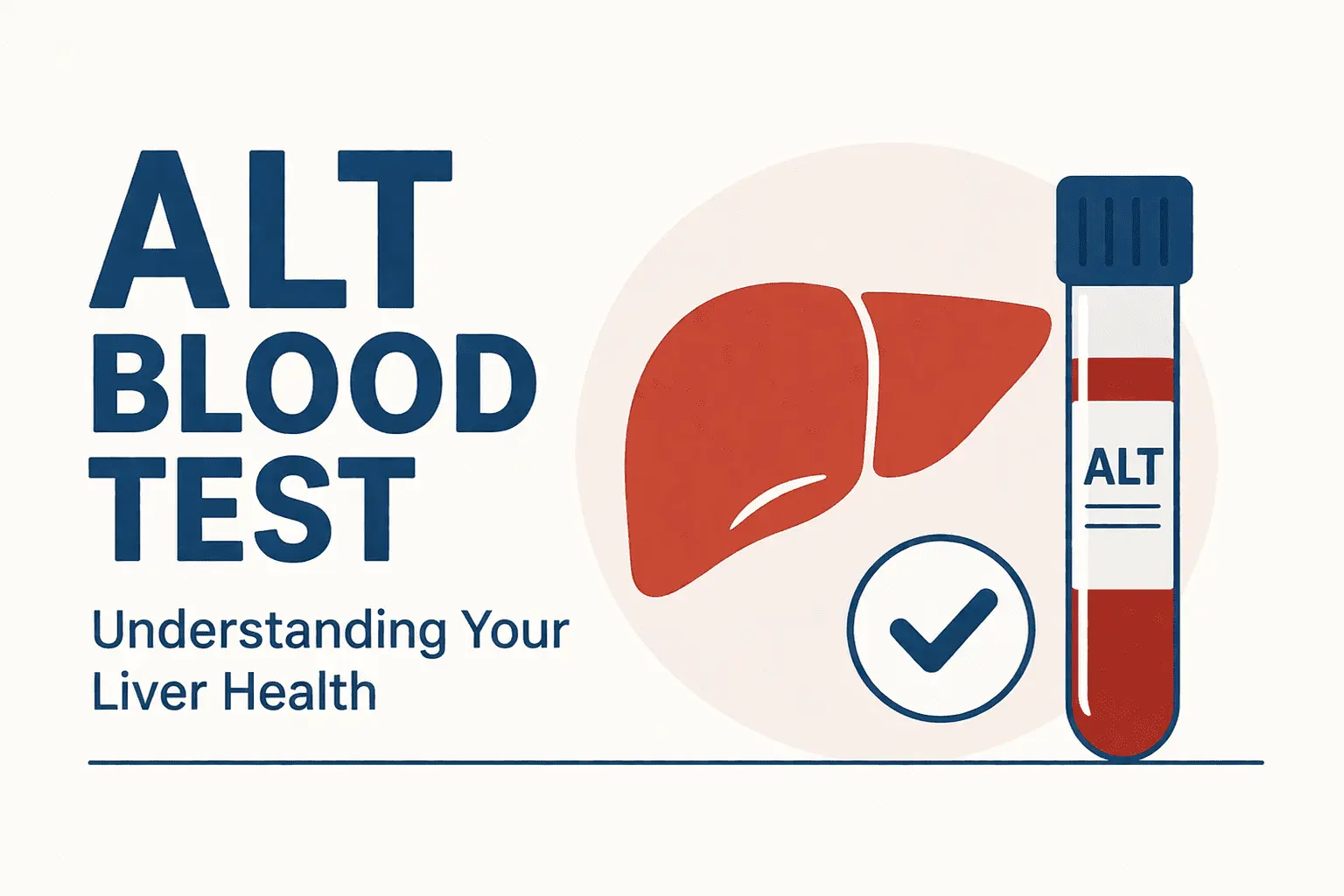
What Is ALT? (Alanine Aminotransferase Explained)
Alanine aminotransferase, commonly referred to as ALT, is an enzyme found primarily in the liver. It plays a key role in amino acid metabolism by helping convert alanine into pyruvate, a molecule involved in energy production. Because ALT is concentrated in liver cells, it is considered one of the most specific biomarkers for liver health.
Under normal conditions, ALT levels in the bloodstream are low. However, when liver cells are damaged or inflamed, ALT leaks into the bloodstream, causing its levels to rise. This makes the ALT blood test an essential tool for detecting liver injury and monitoring liver function.
ALT Blood Test Meaning
The ALT blood test measures the amount of alanine aminotransferase enzyme in your blood. It is commonly included as part of a liver function test panel, which evaluates the overall health of the liver.
Doctors use the ALT test to assess whether the liver is functioning properly or if there is any damage. Elevated ALT levels often indicate liver inflammation or injury, but the test alone cannot determine the exact cause. It is usually interpreted alongside other tests such as AST, bilirubin, and alkaline phosphatase.
Understanding the ALT blood test meaning is important because even mild elevations may signal early liver problems before symptoms appear.
Why Is the ALT Blood Test Done?
The ALT blood test is performed for several important reasons. One of the primary uses is to detect liver damage or inflammation. Conditions such as viral hepatitis, fatty liver disease, and cirrhosis often cause elevated ALT levels.
Doctors may also order this test to monitor existing liver conditions. For example, patients diagnosed with hepatitis or non-alcoholic fatty liver disease may undergo regular ALT testing to track disease progression or response to treatment.
Another common reason for the ALT test is to evaluate the effects of medications. Certain drugs, including some antibiotics, cholesterol-lowering medications, and pain relievers, can affect the liver. Monitoring ALT levels helps ensure that the liver is not being harmed.
In addition, the ALT blood test is often included in routine health checkups, especially for individuals at higher risk of liver disease, such as those with obesity, diabetes, or a history of alcohol use.
Check Your Liver Health at Home
This article contains affiliate links. If you purchase through these links, we may earn a small commission at no extra cost to you. This helps support the content and keep the site running.
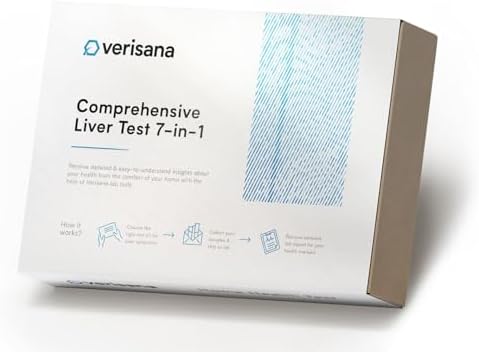
If you’re concerned about your liver enzyme levels, you don’t always need to visit a lab. You can now monitor key markers like ALT and AST from home using reliable testing kits.
This post may contain affiliate links. As an Amazon Associate, I earn from qualifying purchases at no extra cost to you.
Check your liver health from home with this simple test kit:
ALT Normal Range
The ALT normal range can vary slightly depending on the laboratory and testing methods used. However, typical reference ranges are generally as follows:
For adult men, ALT levels usually fall between 7 and 56 units per liter (U/L). For adult women, the normal range is slightly lower, often between 5 and 45 U/L.
Several factors can influence ALT levels, including age, sex, body mass index, and physical activity. For example, individuals with higher muscle mass or those who engage in intense exercise may have slightly elevated ALT levels.
It is important to note that what is considered “normal” may differ between labs. Therefore, results should always be interpreted based on the reference range provided in your specific lab report.
ALT vs AST: What’s the Difference?
ALT and AST (aspartate aminotransferase) are both enzymes used to evaluate liver health, but they differ in their specificity and distribution within the body.
ALT is primarily found in the liver, making it a more specific indicator of liver damage. In contrast, AST is found in multiple tissues, including the liver, heart, muscles, and kidneys. As a result, elevated AST levels may not always indicate liver problems.
The ratio of AST to ALT can provide additional clinical insight. For example, an AST to ALT ratio greater than 2 is often associated with alcoholic liver disease, while a lower ratio may suggest non-alcoholic fatty liver disease or viral hepatitis.
Understanding the relationship between ALT and AST helps healthcare providers make more accurate diagnoses.
What Does High ALT Mean?
High ALT levels typically indicate liver damage or inflammation. However, the degree of elevation can vary depending on the underlying cause.
Mild elevations are often seen in conditions such as fatty liver disease or medication-related liver stress. Moderate elevations may occur in viral hepatitis or chronic liver conditions. Severe elevations, sometimes reaching thousands of units per liter, are usually associated with acute liver injury, such as drug-induced liver damage or severe infections.
Common causes of high ALT include non-alcoholic fatty liver disease, which is increasingly common due to rising obesity rates. Alcohol consumption is another major cause, as excessive drinking can damage liver cells.
Elevated ALT levels are often part of a broader condition known as transaminitis, which refers to increased liver enzymes in the blood. If you want a deeper understanding of this condition, read our guide on What is Transaminitis? Understanding Elevated Liver Enzymes.
Viral infections such as hepatitis B and C can also lead to elevated ALT levels. In addition, certain medications, including acetaminophen and statins, may increase ALT levels, especially when used in high doses.
Muscle injury, although less common, can also contribute to elevated ALT levels, as ALT is present in small amounts in muscle tissue.
Symptoms of High ALT Levels
In many cases, elevated ALT levels do not produce noticeable symptoms, especially in the early stages. This is why routine blood testing is important for early detection.
When symptoms do occur, they are often related to underlying liver dysfunction. These may include fatigue, weakness, and a general feeling of illness. Some individuals may experience abdominal discomfort, particularly in the upper right side where the liver is located.
More advanced liver problems can lead to jaundice, a condition characterized by yellowing of the skin and eyes. Other symptoms may include dark urine, pale stools, nausea, and loss of appetite.
Because symptoms often appear late, relying solely on how you feel is not sufficient to assess liver health.
What Does Low ALT Mean?
Low ALT levels are generally not a cause for concern and are often considered normal. However, in some cases, very low levels may be associated with certain conditions.
For example, a deficiency in vitamin B6, which is required for ALT activity, may result in lower ALT levels. Chronic kidney disease and certain metabolic conditions may also be associated with reduced ALT.
Despite this, low ALT is rarely used as a diagnostic marker and is usually not clinically significant.
How to Prepare for an ALT Blood Test
Preparing for an ALT blood test is relatively simple. In most cases, fasting is not required unless the test is part of a larger panel that includes other measurements such as glucose or lipid levels.
It is generally recommended to avoid alcohol for at least 24 hours before the test, as alcohol can temporarily elevate ALT levels. You should also inform your doctor about any medications or supplements you are taking, as some substances may influence the results.
The test itself involves a standard blood draw, usually from a vein in the arm. The procedure is quick and carries minimal risk.
How to Lower ALT Levels Naturally
If your ALT levels are elevated, there are several lifestyle changes that can help bring them back to normal.
Adopting a healthy diet is one of the most effective strategies. A diet rich in fruits, vegetables, whole grains, and lean proteins can support liver health. Reducing the intake of processed foods, saturated fats, and added sugars is also beneficial.
Weight loss can significantly improve ALT levels, particularly in individuals with fatty liver disease. Even a modest reduction in body weight can have a positive impact on liver function.
Limiting or avoiding alcohol is essential for maintaining healthy ALT levels. Alcohol is a major contributor to liver damage and should be consumed with caution.
Regular physical activity can also help reduce ALT levels by improving metabolism and reducing fat accumulation in the liver.
In addition, managing underlying conditions such as diabetes and high cholesterol is important for overall liver health.
Support Your Liver with Supplements
In addition to lifestyle changes, some people choose to use liver support supplements to help maintain healthy enzyme levels. Ingredients such as milk thistle, N-acetyl cysteine (NAC), and artichoke extract are commonly associated with liver health support.
View top-rated liver support supplements for daily liver health

- Nature’s Way Milk Thistle supports liver function and detoxification pathways, acting as a liver support supplement*
- This milk thistle supplement contains milk thistle seed extract, standardized to 80% silymarin to support liver health*
- Adults take 1 of these milk thistle capsules three times daily with food or water

- Supports Sinus & Respiratory Health: N-acetyl cysteine (NAC) supports healthy sinuses and respiratory wellness by balanc…
- Supplements Immune System and Liver Function: NAC is a building block of glutathione, the body’s master antioxidant. NAC…
- Clean Vegan Formula. Hypoallergenic and Non-GMO. Made without artificial fillers, coatings, binders, or colors.

- LIVER HEALTH SUPPORT: The blend of Artichoke (Alcachofa) and Milk Thistle (Cardo Mariano) creates a 360° liver defense. …
- DETOX CLEANSE SUPPORT: Our herbal tinctures help you detoxify your liver and body. Our liver care products are enhanced …
- 5-IN-1 OPTIMIZED FORMULA FOR MAX POTENCY: Our 5-in-1 Artichoke Liver Health supplement is based on South American herbal…
When Should You Be Concerned About ALT Levels?
You should consider consulting a healthcare provider if your ALT levels are consistently elevated or significantly higher than the normal range.
Persistent elevation may indicate chronic liver disease or ongoing liver injury. In such cases, further testing is often required to identify the underlying cause. This may include imaging studies such as ultrasound or additional blood tests.
It is also important to consider ALT levels in the context of other liver enzymes and clinical findings. A single abnormal result does not necessarily indicate a serious problem, but it should not be ignored.
Early detection and intervention are key to preventing more severe liver complications.
FAQs
A normal ALT level typically ranges from about 7 to 56 U/L for men and 5 to 45 U/L for women, depending on the laboratory.
Not always. Mild elevations can occur due to temporary factors such as medications or minor liver stress. However, persistent or very high levels may indicate a more serious condition.
Yes, in many cases ALT levels can return to normal once the underlying cause is addressed, such as improving diet, losing weight, or stopping certain medications.
Foods that support liver health include leafy greens, fruits, whole grains, fatty fish, and foods rich in antioxidants.
The frequency depends on your health status. Individuals with liver conditions may require regular monitoring, while others may only need testing during routine checkups.


