


You may feel concerned if your CBC blood test results show high neutrophils and low lymphocytes. This pattern is common in clinical practice, but its meaning is not always obvious without proper context.
Neutrophils and lymphocytes are both types of white blood cells, and each plays a different role in the immune system. When their levels change in opposite directions, it can reflect how the body is responding to stress, infection, or inflammation.
In many cases, this finding is temporary and linked to a short-term condition such as an infection or physical stress. However, it can sometimes indicate a more complex underlying issue that requires further evaluation.
In the following sections, we will explain the possible causes, clinical significance, and what steps to take next.
What Does High Neutrophils and Low Lymphocytes Mean?
This combination refers to an imbalance in white blood cell types, where neutrophil levels are elevated while lymphocyte levels are reduced. It is a pattern commonly seen in response to physiological stress or immune system activation.
Key Interpretation
- Indicates an active response of the immune system
- Often reflects a shift toward immediate (innate) immune defense
- May occur temporarily and return to normal once the underlying cause resolves
Most Common Explanations
- Acute bacterial infection
- Neutrophils increase to fight invading bacteria
- Physical or emotional stress
- The body releases stress hormones that affect white blood cell distribution
- Inflammatory response
- Seen in various acute or chronic inflammatory conditions
Important Considerations
- This pattern does not provide a diagnosis on its own
- The severity depends on how high or low the values are
- Results should always be interpreted alongside symptoms and other CBC parameters
Simple Takeaway
High neutrophils and low lymphocytes usually indicate that the body is reacting to a stressor, most often infection or inflammation. In many cases, this change is temporary, but persistent abnormalities may require further evaluation.
What Are Neutrophils?
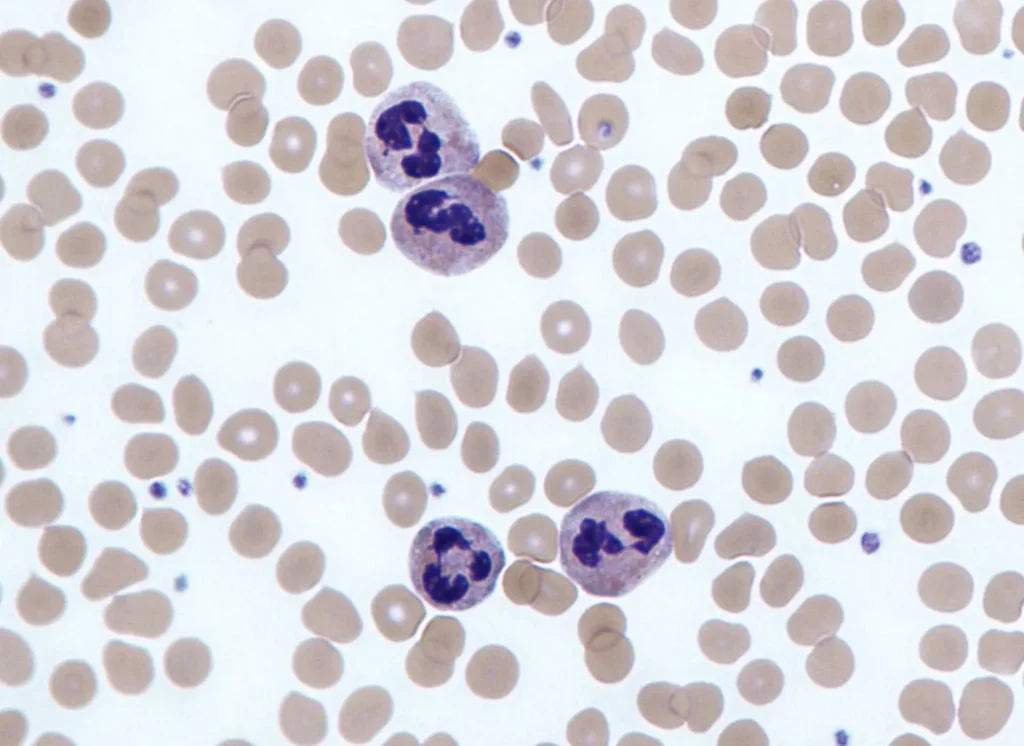
Neutrophils are the most abundant type of white blood cells and play a central role in the body’s first line of defense against infection. They respond quickly to threats, especially bacterial infections, and act as the immune system’s immediate responders.
Key Functions of Neutrophils
- Detect and migrate rapidly to sites of infection or injury
- Engulf and destroy bacteria through a process called phagocytosis
- Release enzymes and antimicrobial substances to eliminate pathogens
When Do Neutrophils Increase?
Neutrophil levels can rise in several situations:
- Bacterial infections
- Acute inflammation
- Physical stress (such as surgery or trauma)
- Use of certain medications, such as corticosteroids
Why Neutrophils Matter in Your Results
An elevated neutrophil count usually indicates that the body is actively responding to a challenge. In the context of high neutrophils and low lymphocytes, this increase often reflects a shift toward rapid, short-term immune defense.
What Are Lymphocytes?
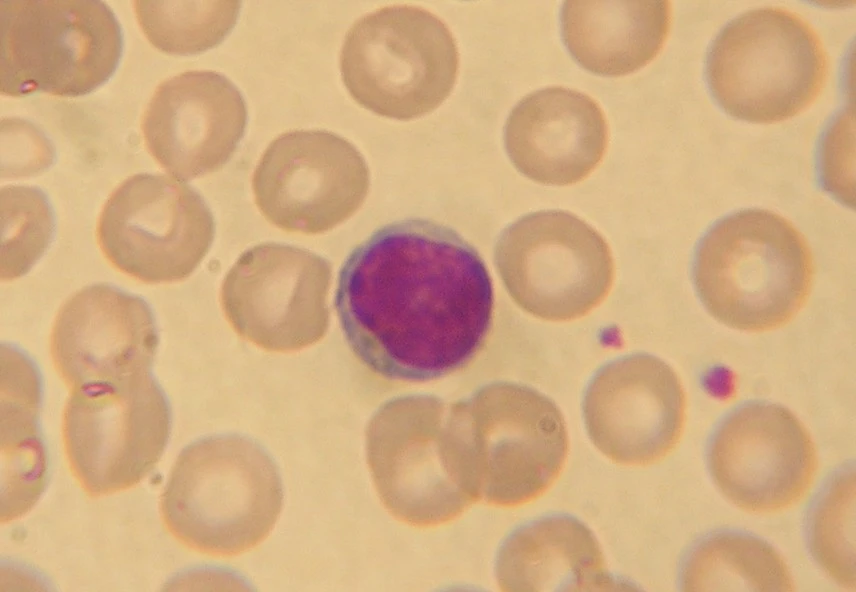
Lymphocytes are a type of white blood cell involved in the body’s adaptive immune response. Unlike neutrophils, which act quickly, lymphocytes provide targeted and long-term protection against pathogens.
Key Functions of Lymphocytes
- Recognize and respond to specific pathogens
- Produce antibodies (B lymphocytes)
- Destroy infected or abnormal cells (T lymphocytes)
- Support immune memory for faster responses in future infections
When Do Lymphocytes Decrease?
A low lymphocyte count, also called lymphocytopenia, can occur in several situations:
- Acute stress or illness
- Bacterial infections
- Use of corticosteroids
- Immune suppression or certain medical conditions
Why Lymphocytes Matter in Your Results
A decrease in lymphocytes often reflects a temporary redistribution of immune cells during stress or infection. In the context of high neutrophils and low lymphocytes, this reduction suggests that the body is prioritizing immediate immune defense over long-term immune activity.
Why Do High Neutrophils and Low Lymphocytes Occur Together?
This combination is not random. It reflects a coordinated response of the immune system to stress, infection, or inflammation. The body shifts its priorities toward immediate defense, which leads to an increase in neutrophils and a decrease in lymphocytes.
Stress Response Mechanism
One of the main drivers of this pattern is the release of stress hormones, especially cortisol.
- Cortisol stimulates the release of neutrophils into the bloodstream
- It reduces circulating lymphocytes by redistributing them to other tissues
- This creates a temporary imbalance in white blood cell counts
Immune System Prioritization
The body adapts its immune response depending on the situation:
- Neutrophils are increased to provide rapid, non-specific defense
- Lymphocytes are temporarily reduced as long-term immune responses are less urgent
- This shift is common during acute conditions
Redistribution of Immune Cells
- Lymphocytes may move from the blood to lymphoid tissues or sites of inflammation
- Neutrophils are mobilized from the bone marrow into circulation
Common Situations Where This Happens
- Acute infections
- Physical stress (surgery, injury)
- Emotional stress
- Inflammatory conditions
Common Causes of High Neutrophils and Low Lymphocytes
Infections
- Bacterial infections are the most common cause
- The body increases neutrophils to fight pathogens
- Lymphocytes may decrease during the acute phase
Examples include:
- Respiratory infections
- Urinary tract infections
- Acute inflammatory infections
Physical or Emotional Stress
- The body releases stress hormones such as cortisol
- This leads to increased neutrophils and decreased lymphocytes
Common triggers:
- Surgery
- Trauma or injury
- Intense physical exertion
- Psychological stress or anxiety
Inflammatory Conditions
- Chronic or acute inflammation can alter white blood cell balance
- The immune system remains in an activated state
Examples include:
- Autoimmune disorders
- Chronic inflammatory diseases
Medications
Some medications can directly affect white blood cell levels:
- Corticosteroids are a common cause
- Certain treatments can suppress lymphocyte production
Lifestyle and Other Factors
- Smoking
- Poor sleep or fatigue
- Intense exercise
What Is the Neutrophil-to-Lymphocyte Ratio (NLR)?
The neutrophil-to-lymphocyte ratio, or NLR, is a calculated value that reflects the balance between two types of white blood cells: neutrophils and lymphocytes. It is increasingly used as a simple marker of inflammation and physiological stress.
How Is NLR Calculated?
- NLR = Neutrophil count ÷ Lymphocyte count
- It can be calculated using either absolute counts or percentages from a CBC report
Why Is NLR Important?
- Provides a clearer picture than looking at each value separately
- Reflects the balance between immediate and adaptive immune responses
- Widely used in clinical practice and research as an indicator of inflammation
What Is a Normal NLR?
- Typically ranges between 1 and 3 in healthy adults
- Values may vary depending on the laboratory and population
When Is NLR Considered High?
- An elevated NLR suggests increased inflammation or stress
- Higher values are often associated with:
- Acute infections
- Inflammatory conditions
- Physiological stress
Clinical Use of NLR
- Helps support interpretation of CBC results
- Used as a prognostic marker in various conditions
- Can assist in monitoring disease progression or response to treatment
Should You Be Worried?
Seeing high neutrophils and low lymphocytes on your blood test can be concerning, but in many cases, this pattern is not a sign of a serious condition. The level of concern depends on the degree of change, how long it persists, and whether symptoms are present.
When It Is Usually Not Serious
- Mild changes in values
- Results associated with a recent infection
- Temporary stress (physical or emotional)
- No accompanying symptoms
In these situations, the imbalance often resolves on its own without treatment.
When It May Require Attention
- Values are significantly outside the normal range
- The pattern persists over time
- Other abnormal CBC parameters are present
- Symptoms are present, such as:
- Fever
- Fatigue
- Frequent infections
- Unexplained weight loss
Why Context Matters
- A single blood test provides limited information
- Trends over time are more informative than one result
- Clinical symptoms and medical history are essential for interpretation
Symptoms to Watch For
In many cases, high neutrophils and low lymphocytes do not cause symptoms on their own. Instead, any symptoms are usually related to the underlying condition responsible for the change in blood cell levels.
Common Symptoms Associated with This Pattern
- Fever
- Fatigue or weakness
- Signs of infection (such as cough, sore throat, or pain during urination)
- Inflammation (redness, swelling, or pain)
Symptoms That May Suggest a More Serious Issue
- Persistent or recurrent infections
- Unexplained weight loss
- Night sweats
- Prolonged fatigue
- Easy bruising or bleeding
When Symptoms Matter Most
- When they appear alongside abnormal CBC results
- When they persist or worsen over time
- When multiple symptoms occur together
How to Interpret Your CBC Results
Interpreting high neutrophils and low lymphocytes requires looking beyond a single value. A proper evaluation considers the full CBC profile and how different parameters relate to each other.
Look at Absolute Counts
- Focus on absolute neutrophil count (ANC) and absolute lymphocyte count
- Percentages alone can be misleading
- Absolute values provide a more accurate picture
Compare Percentages and Ratios
- Check the proportion of neutrophils and lymphocytes
- Calculate the neutrophil-to-lymphocyte ratio (NLR) if not provided
- A high NLR supports the presence of stress or inflammation
Evaluate Other CBC Parameters
- White blood cell (WBC) total count
- Helps determine if there is an overall increase or decrease
- Red blood cell parameters
- Can indicate anemia or other conditions
- Platelet count
- May provide clues about inflammation or bone marrow activity
Look for Patterns, Not Isolated Values
- High neutrophils + low lymphocytes + high WBC
- Often suggests acute infection
- Normal WBC + mild imbalance
- May reflect temporary stress
- Multiple abnormal parameters
- May indicate a more complex condition
Consider Clinical Context
- Recent illness or infection
- Medications
- Stress or physical activity
- Medical history
FAQs
Not always. It is often a temporary response to infection or stress, but persistent or severe changes may need medical evaluation.
Yes. Physical or emotional stress can increase neutrophils and decrease lymphocytes through hormonal effects.
No. While common in infections, it can also occur with stress, inflammation, or certain medications.
A normal NLR is typically between 1 and 3 in healthy adults.
Repeat testing may be recommended if results are abnormal, especially to confirm whether the change is temporary or persistent.
References
- Zahorec R. Ratio of neutrophil to lymphocyte counts–rapid and simple parameter of systemic inflammation and stress in critically ill. Bratisl Lek Listy. 2001;102(1):5-14. English, Slovak. PMID: 11723675. https://pubmed.ncbi.nlm.nih.gov/11723675/
- Forget P, Khalifa C, Defour JP, Latinne D, Van Pel MC, De Kock M. What is the normal value of the neutrophil-to-lymphocyte ratio? BMC Res Notes. 2017 Jan 3;10(1):12. doi: 10.1186/s13104-016-2335-5.
- Walsh SR, Cook EJ, Goulder F, Justin TA, Keeling NJ. Neutrophil-lymphocyte ratio as a prognostic factor in colorectal cancer. J Surg Oncol. 2005 Sep 1;91(3):181-4. doi: 10.1002/jso.20329.
- Neutrophilic Leukocytosis: https://www.merckmanuals.com/home/blood-disorders/white-blood-cell-disorders/neutrophilic-leukocytosis


